

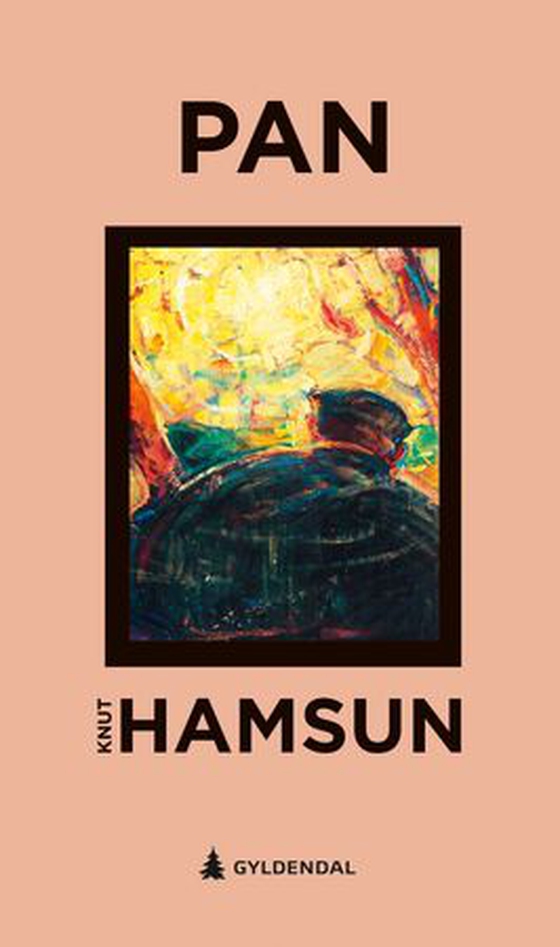
Pan ebok
First published in 1894, Knut Hamsun’s Pan is former lieutenant Thomas Glahn’s retrospective narrative of his life and adventures in the Norwegian woods. A man of fascinating complexity, Glahn is in some respects a modern successor to a long line of «superfluous» men in western literature, an heir to Goethe’s Werther and the protagonists of Turgenev and Dostoyevsky. But this portrait of a man rej…
Flere bøker av samme forfatter
Andre har også kjøpt
Sult
Knut Hamsun Ebok
Kristin Lavransdatter
Sigrid Undset Ebok
Pan
Knut Hamsun Lydbok
Landstrykere
Knut Hamsun Ebok
Mysterier
Knut Hamsun Ebok
Tante Ulrikkes vei
Zeshan Shakar Ebok
1968
Jan Guillou Ebok
Victoria
Knut Hamsun EbokFirst published in 1894, Knut Hamsun’s Pan is former lieutenant Thomas Glahn’s retrospective narrative of his life and adventures in the Norwegian woods. A man of fascinating complexity, Glahn is in some respects a modern successor to a long line of «superfluous» men in western literature, an heir to Goethe’s Werther and the protagonists of Turgenev and Dostoyevsky. But this portrait of a man rejecting the claims of bourgeois society for a Rousseauian embrace of Nature and Eros explores the veiled mysteries of the unconscious by means of thoroughly modern techniques. Pan’s quasi-musical modulations of pace and rhythm, its haunting use of leitmotifs which contract and distend time, its startling versions of myth and legend, and its ecstatic evocations of nature in its various phases and moods, all attest to the novel’s Modernist innovations.
