

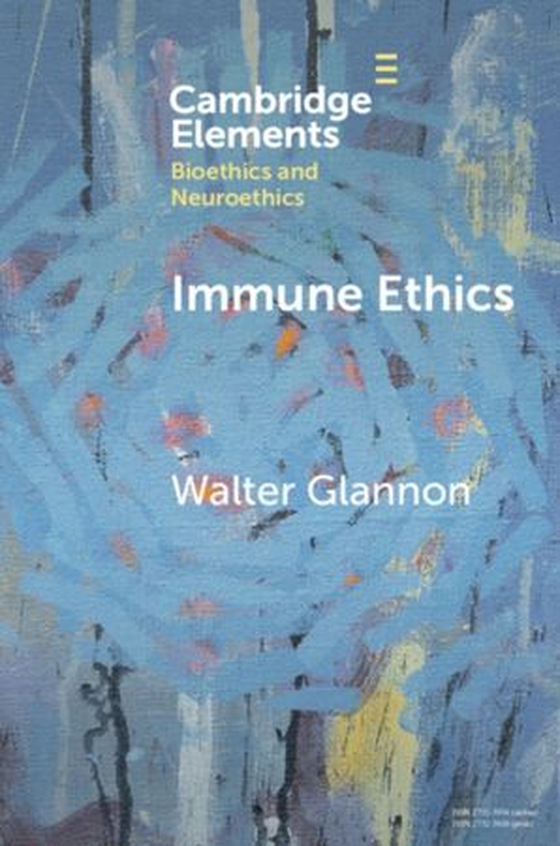
Walter Glannon
(forfatter)
Immune Ethics (Elements in Bioethics and Neuroethics) ebok
254,-
The immune system maintains homeostasis within human organisms and protects them from pathogenic threats. But sometimes it cannot provide this protection on its own, and vaccines may be necessary to ensure our health and survival. Immune functions can become dysregulated and result in autoimmune disease or multi-system damage. Pharmacological and genomic interventions may activate or modulate imm…
The immune system maintains homeostasis within human organisms and protects them from pathogenic threats. But sometimes it cannot provide this protection on its own, and vaccines may be necessary to ensure our health and survival. Immune functions can become dysregulated and result in autoimmune disease or multi-system damage. Pharmacological and genomic interventions may activate or modulate immune functions to prevent these outcomes. This Element is an analysis and discussion of some of the ethical implications of these interventions. After describing the main components of innate and adaptive immunity and how it might be enhanced, it considers the potential benefit and harm from vaccines against addiction and viruses, immunotherapy for cancer, neuroimmunomodulating agents to prevent or treat neurodevelopmental and neurodegenerative diseases, and gene editing of immunity to enable xenotransplantation and prevent infectious disease. The Element concludes with an exploration of a possible outcome of natural competition between humans and microbes.
Ebok
254,-





Forlag
Cambridge University Press
Utgitt
02.11.2026
Sjanger
Dokumentar og fakta, Politikk og samfunn
Språk
English
Format
epub
DRM-beskyttelse
LCP
ISBN
9781009304627
The immune system maintains homeostasis within human organisms and protects them from pathogenic threats. But sometimes it cannot provide this protection on its own, and vaccines may be necessary to ensure our health and survival. Immune functions can become dysregulated and result in autoimmune disease or multi-system damage. Pharmacological and genomic interventions may activate or modulate immune functions to prevent these outcomes. This Element is an analysis and discussion of some of the ethical implications of these interventions. After describing the main components of innate and adaptive immunity and how it might be enhanced, it considers the potential benefit and harm from vaccines against addiction and viruses, immunotherapy for cancer, neuroimmunomodulating agents to prevent or treat neurodevelopmental and neurodegenerative diseases, and gene editing of immunity to enable xenotransplantation and prevent infectious disease. The Element concludes with an exploration of a possible outcome of natural competition between humans and microbes.
Ingen vurderinger ennå
