

Peter Thompson
(forfatter)
Gas Mask in Interwar Germany (Science in History) ebok
422,-
Exploring the history of the gas mask in Germany from 1915 to the eve of the Second World War, Peter Thompson traces how chemical weapons and protective technologies like the gas mask produced new relationships to danger, risk, management and mastery in the modern age of mass destruction. Recounting the apocalyptic visions of chemical death that circulated in interwar Germany, he argues that whil…
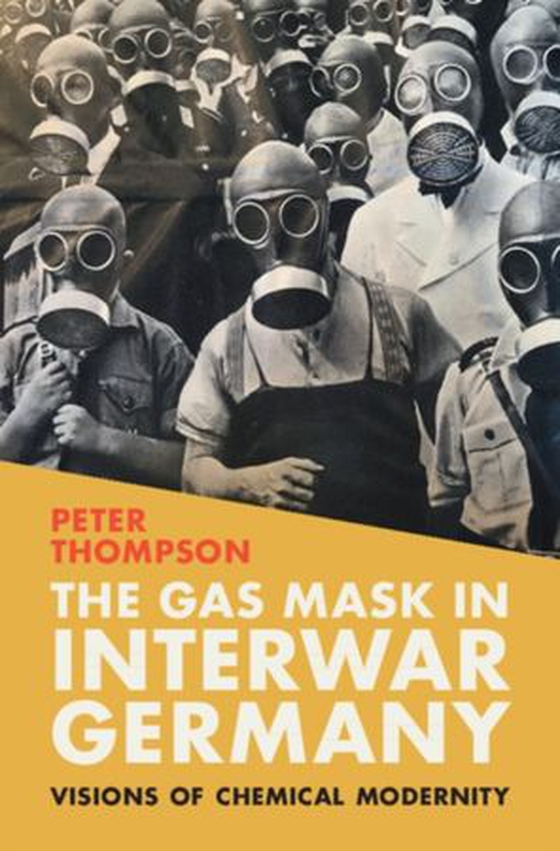
Exploring the history of the gas mask in Germany from 1915 to the eve of the Second World War, Peter Thompson traces how chemical weapons and protective technologies like the gas mask produced new relationships to danger, risk, management and mastery in the modern age of mass destruction. Recounting the apocalyptic visions of chemical death that circulated in interwar Germany, he argues that while everyday encounters with the gas mask tended to exacerbate fears, the gas mask also came to symbolize debates about the development of military and chemical technologies in the Weimar Republic and the Third Reich. He underscores how the gas mask was tied into the creation of an exclusionary national community under the Nazis and the altered perception of environmental danger in the second half of the twentieth century. As this innovative new history shows, chemical warfare and protection technologies came to represent poignant visions of the German future.
Ebok
422,-





Undertittel
Visions of Chemical Modernity
Forlag
Cambridge University Press
Utgitt
02.10.2026
Sjanger
Historie, Dokumentar og fakta, Politikk og samfunn
Serie
Science in History
Språk
English
Format
epub
DRM-beskyttelse
LCP
ISBN
9781009314831
Exploring the history of the gas mask in Germany from 1915 to the eve of the Second World War, Peter Thompson traces how chemical weapons and protective technologies like the gas mask produced new relationships to danger, risk, management and mastery in the modern age of mass destruction. Recounting the apocalyptic visions of chemical death that circulated in interwar Germany, he argues that while everyday encounters with the gas mask tended to exacerbate fears, the gas mask also came to symbolize debates about the development of military and chemical technologies in the Weimar Republic and the Third Reich. He underscores how the gas mask was tied into the creation of an exclusionary national community under the Nazis and the altered perception of environmental danger in the second half of the twentieth century. As this innovative new history shows, chemical warfare and protection technologies came to represent poignant visions of the German future.
Ingen vurderinger ennå
