

Giuliana Perrone
(forfatter)
Nothing More than Freedom (Studies in Legal History) ebok
366,-
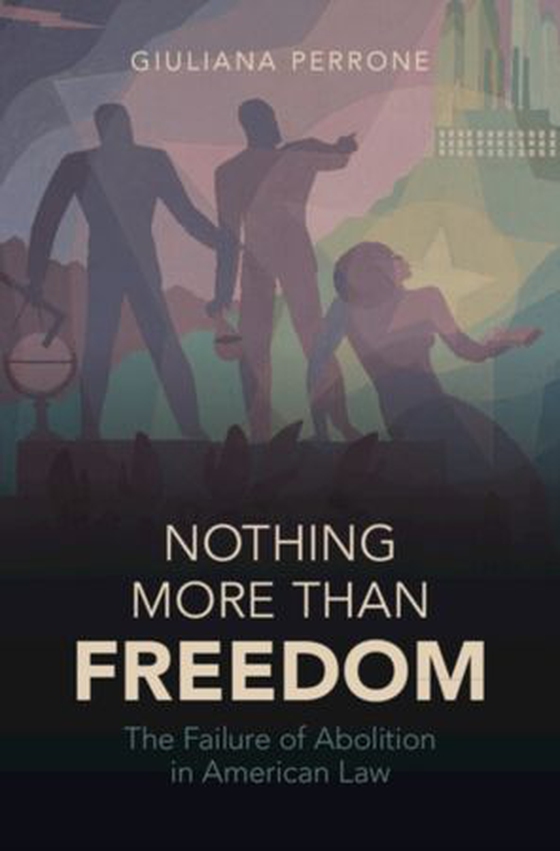
Nothing More than Freedom explores the long and complex legal history of Black freedom in the United States. From the ratification of the Thirteenth Amendment in 1865 until the end of Reconstruction in 1877, supreme courts in former slave states decided approximately 700 lawsuits associated with the struggle for Black freedom and equal citizenship. This litigation – the majority through private l…
Nothing More than Freedom explores the long and complex legal history of Black freedom in the United States. From the ratification of the Thirteenth Amendment in 1865 until the end of Reconstruction in 1877, supreme courts in former slave states decided approximately 700 lawsuits associated with the struggle for Black freedom and equal citizenship. This litigation – the majority through private law – triggered questions about American liberty and reassessed the nation''s legal and political order following the Civil War. Judicial decisions set the terms of debates about racial identity, civil rights, and national belonging, and established that slavery, as a legal institution and social practice, remained actionable in American law well after its ostensible demise. The verdicts determined how unresolved facets of slavery would undercut ongoing efforts for abolition and the realization of equality. Insightful and compelling, this work makes an important intervention in the history of post-Civil War law.
Ebok
366,-

Undertittel
The Failure of Abolition in American Law
Forlag
Cambridge University Press
Utgitt
02.11.2026
Sjanger
Historie, Dokumentar og fakta
Serie
Studies in Legal History
Språk
English
Format
epub
DRM-beskyttelse
LCP
ISBN
9781009219204
Nothing More than Freedom explores the long and complex legal history of Black freedom in the United States. From the ratification of the Thirteenth Amendment in 1865 until the end of Reconstruction in 1877, supreme courts in former slave states decided approximately 700 lawsuits associated with the struggle for Black freedom and equal citizenship. This litigation – the majority through private law – triggered questions about American liberty and reassessed the nation''s legal and political order following the Civil War. Judicial decisions set the terms of debates about racial identity, civil rights, and national belonging, and established that slavery, as a legal institution and social practice, remained actionable in American law well after its ostensible demise. The verdicts determined how unresolved facets of slavery would undercut ongoing efforts for abolition and the realization of equality. Insightful and compelling, this work makes an important intervention in the history of post-Civil War law.
Ingen vurderinger ennå
