

Valentina A. Grasso
(forfatter)
Pre-Islamic Arabia ebok
324,-
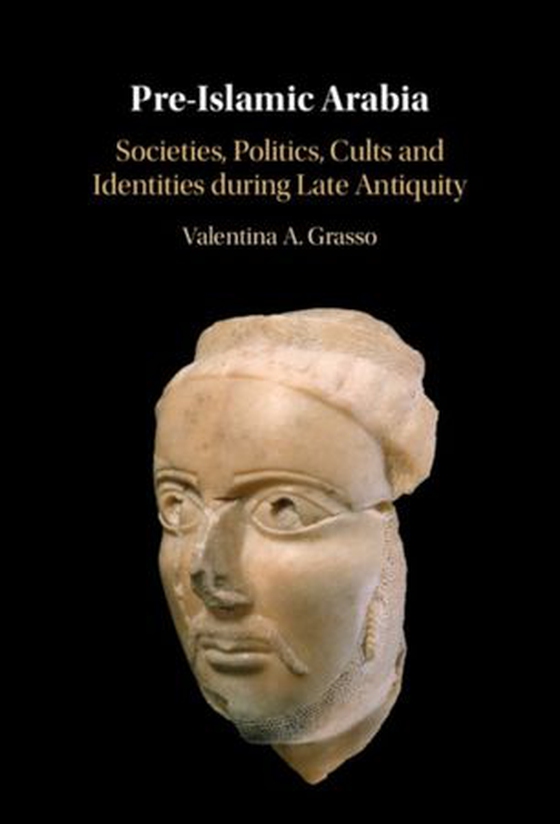
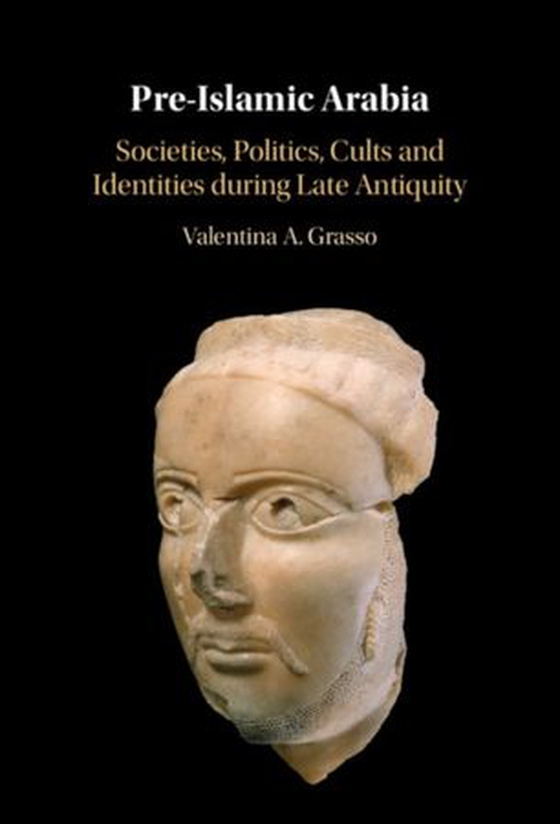
This book delves into the political and cultural developments of pre-Islamic Arabia, focusing on the religious attitudes of the inhabitants of the Arabian Peninsula and its northern extension into the Syrian desert. Between the third and the seventh century, Arabia was on the edge of three great empires (Iran, Rome and Aksūm) and at the centre of a lucrative network of trade routes. Valentina Gra…
This book delves into the political and cultural developments of pre-Islamic Arabia, focusing on the religious attitudes of the inhabitants of the Arabian Peninsula and its northern extension into the Syrian desert. Between the third and the seventh century, Arabia was on the edge of three great empires (Iran, Rome and Aksūm) and at the centre of a lucrative network of trade routes. Valentina Grasso offers an interpretative framework which contextualizes the choice of Arabian elites to become Jewish sympathisers and/or convert to Christianity and Islam by probing the mobilization of faith in the shaping of Arabian identities. For the first time the Arabians of the period are granted autonomy from marginalizing (mostly Western) narratives framing them as ''barbarians'' inhabiting the fringes of Rome and Iran and/or deterministic analyses in which they are depicted retrospectively as exemplified by the Muslims'' definition of the period as Jāhilīyah, ''ignorance''.
Ebok
324,-





Undertittel
Societies, Politics, Cults and Identities during Late Antiquity
Forlag
Cambridge University Press
Utgitt
02.11.2026
Sjanger
Historie, Dokumentar og fakta
Språk
English
Format
epub
DRM-beskyttelse
LCP
ISBN
9781009252973
This book delves into the political and cultural developments of pre-Islamic Arabia, focusing on the religious attitudes of the inhabitants of the Arabian Peninsula and its northern extension into the Syrian desert. Between the third and the seventh century, Arabia was on the edge of three great empires (Iran, Rome and Aksūm) and at the centre of a lucrative network of trade routes. Valentina Grasso offers an interpretative framework which contextualizes the choice of Arabian elites to become Jewish sympathisers and/or convert to Christianity and Islam by probing the mobilization of faith in the shaping of Arabian identities. For the first time the Arabians of the period are granted autonomy from marginalizing (mostly Western) narratives framing them as ''barbarians'' inhabiting the fringes of Rome and Iran and/or deterministic analyses in which they are depicted retrospectively as exemplified by the Muslims'' definition of the period as Jāhilīyah, ''ignorance''.
Ingen vurderinger ennå
