

Dick Lehr
(forfatter)
The Birth of a Nation ebok
119,-
In 1915, two men -- one a journalist agitator, the other a technically brilliant filmmaker -- incited a public confrontation that roiled America, pitting black against white, Hollywood against Boston, and free speech against civil rights.Monroe Trotter and D. W. Griffith were fighting over a film that dramatized the Civil War and Reconstruction in a post-Confederate South. Almost fifty years earl…
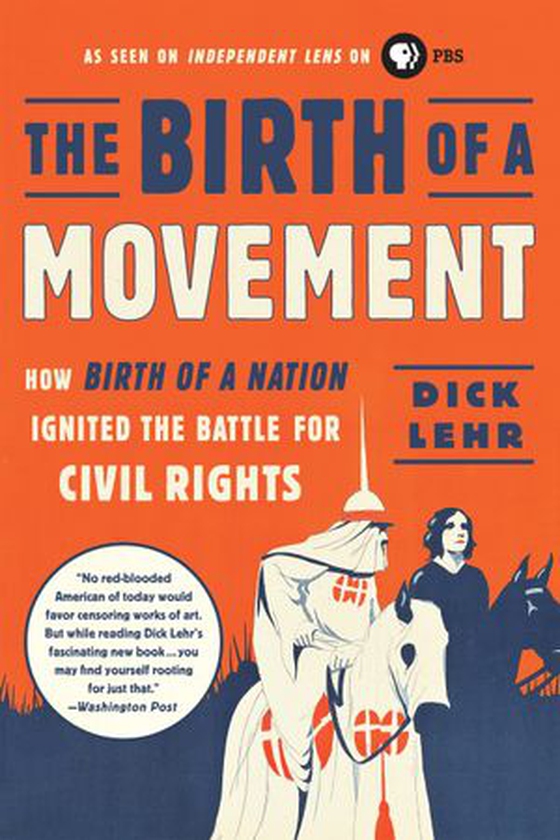
In 1915, two men -- one a journalist agitator, the other a technically brilliant filmmaker -- incited a public confrontation that roiled America, pitting black against white, Hollywood against Boston, and free speech against civil rights.Monroe Trotter and D. W. Griffith were fighting over a film that dramatized the Civil War and Reconstruction in a post-Confederate South. Almost fifty years earlier, Monroe's father, James, was a sergeant in an all-black Union regiment that marched into Charleston, South Carolina, just as the Kentucky cavalry -- including Roaring Jack Griffith, D. W.'s father -- fled for their lives. Griffith's film, The Birth of a Nation, included actors in blackface, heroic portraits of Knights of the Ku Klux Klan, and a depiction of Lincoln's assassination. Freed slaves were portrayed as villainous, vengeful, slovenly, and dangerous to the sanctity of American values. It was tremendously successful, eventually seen by 25 million Americans. But violent protests against the film flared up across the country.Monroe Trotter's titanic crusade to have the film censored became a blueprint for dissent during the 1950s and 1960s. This is the fiery story of a revolutionary moment for mass media and the nascent civil rights movement, and the men clashing over the cultural and political soul of a still-young America standing at the cusp of its greatest days.




Undertittel
How a Legendary Filmmaker and a Crusading Editor Reignited America's Civil War
Forlag
PublicAffairs
Utgitt
22.06.2018
Sjanger
Historie, Dokumentar og fakta, Politikk og samfunn
Språk
English
Format
epub
DRM-beskyttelse
LCP
ISBN
9781610398244
In 1915, two men -- one a journalist agitator, the other a technically brilliant filmmaker -- incited a public confrontation that roiled America, pitting black against white, Hollywood against Boston, and free speech against civil rights.
Monroe Trotter and D. W. Griffith were fighting over a film that dramatized the Civil War and Reconstruction in a post-Confederate South. Almost fifty years earlier, Monroe's father, James, was a sergeant in an all-black Union regiment that marched into Charleston, South Carolina, just as the Kentucky cavalry -- including Roaring Jack Griffith, D. W.'s father -- fled for their lives. Griffith's film, The Birth of a Nation, included actors in blackface, heroic portraits of Knights of the Ku Klux Klan, and a depiction of Lincoln's assassination. Freed slaves were portrayed as villainous, vengeful, slovenly, and dangerous to the sanctity of American values. It was tremendously successful, eventually seen by 25 million Americans. But violent protests against the film flared up across the country.
Monroe Trotter's titanic crusade to have the film censored became a blueprint for dissent during the 1950s and 1960s. This is the fiery story of a revolutionary moment for mass media and the nascent civil rights movement, and the men clashing over the cultural and political soul of a still-young America standing at the cusp of its greatest days.
Monroe Trotter and D. W. Griffith were fighting over a film that dramatized the Civil War and Reconstruction in a post-Confederate South. Almost fifty years earlier, Monroe's father, James, was a sergeant in an all-black Union regiment that marched into Charleston, South Carolina, just as the Kentucky cavalry -- including Roaring Jack Griffith, D. W.'s father -- fled for their lives. Griffith's film, The Birth of a Nation, included actors in blackface, heroic portraits of Knights of the Ku Klux Klan, and a depiction of Lincoln's assassination. Freed slaves were portrayed as villainous, vengeful, slovenly, and dangerous to the sanctity of American values. It was tremendously successful, eventually seen by 25 million Americans. But violent protests against the film flared up across the country.
Monroe Trotter's titanic crusade to have the film censored became a blueprint for dissent during the 1950s and 1960s. This is the fiery story of a revolutionary moment for mass media and the nascent civil rights movement, and the men clashing over the cultural and political soul of a still-young America standing at the cusp of its greatest days.
Ingen vurderinger ennå
