

Michael Smith
(forfatter)
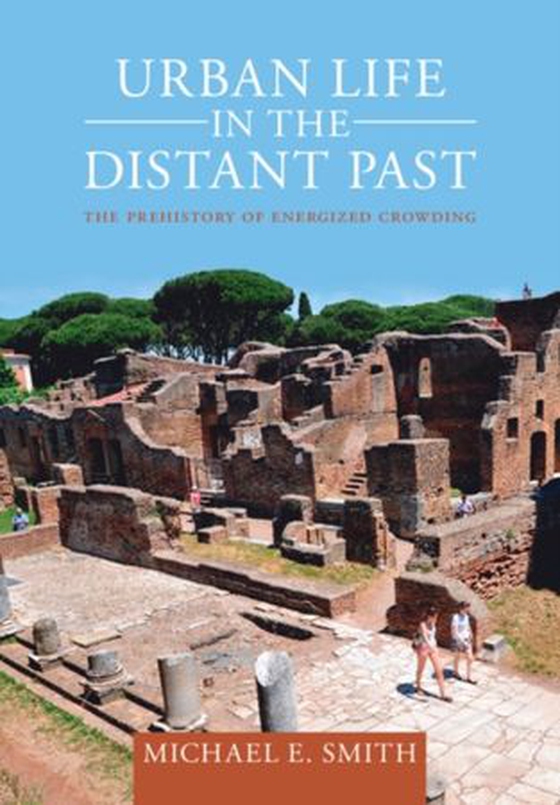
Urban Life in the Distant Past (Urban Archaeological Pasts) ebok
394,-
In this book, Michael Smith offers a comparative and interdisciplinary examination of ancient settlements and cities. Early cities varied considerably in their political and economic organization and dynamics. Smith here introduces a coherent approach to urbanism that is transdisciplinary in scope, scientific in epistemology, and anchored in the urban literature of the social sciences. His new in…
In this book, Michael Smith offers a comparative and interdisciplinary examination of ancient settlements and cities. Early cities varied considerably in their political and economic organization and dynamics. Smith here introduces a coherent approach to urbanism that is transdisciplinary in scope, scientific in epistemology, and anchored in the urban literature of the social sciences. His new insight is ''energized crowding,'' a concept that captures the consequences of social interactions within the built environment resulting from increases in population size and density within settlements. Smith explores the implications of features such as empires, states, markets, households, and neighborhoods for urban life and society through case studies from around the world. Direct influences on urban life – as mediated by energized crowding-are organized into institutional (top-down forces) and generative (bottom-up processes). Smith''s volume analyzes their similarities and differences with contemporary cities, and highlights the relevance of ancient cities for understanding urbanism and its challenges today.
Ebok
394,-
Flere bøker av samme forfatter
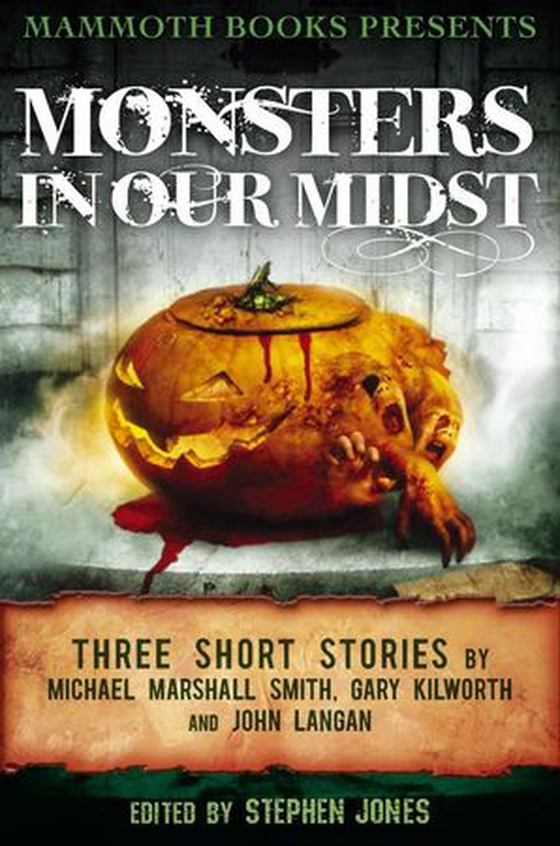
Mammoth Books presents Monsters in Our Midst
Gary Kilworth Ebok
Mammoth Books presents Substitutions
Michael Smith Ebok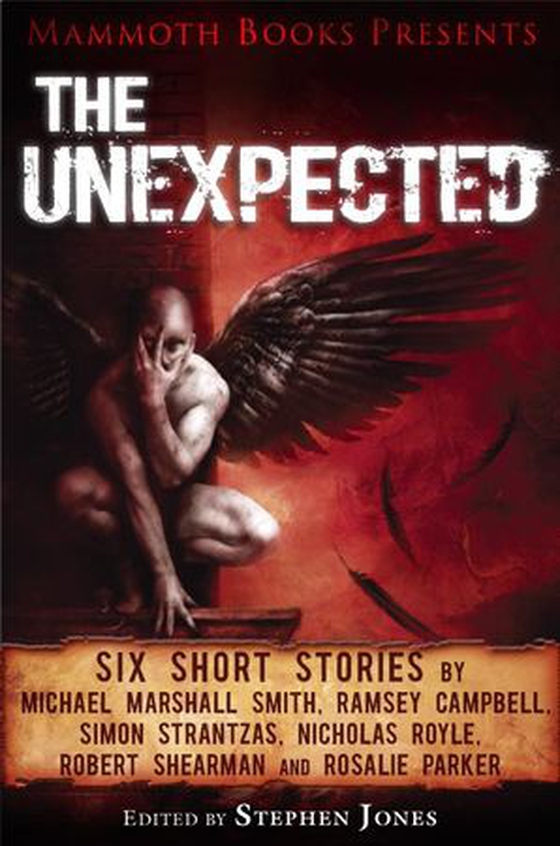
Mammoth Books presents The Unexpected
Michael Smith Ebok
Cabin Fever
Michael Smith Ebok
Salvage This World
Michael Smith Ebok
Lay Your Armor Down
Michael Smith Ebok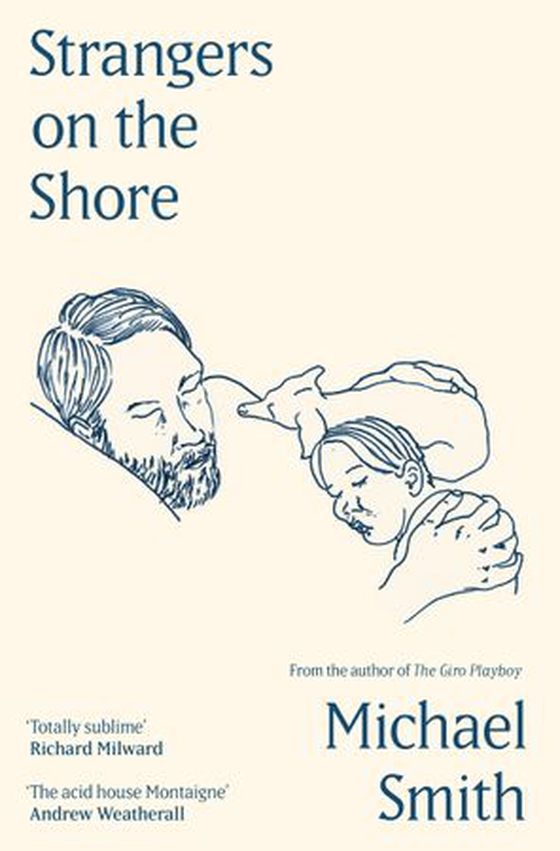
Strangers on the Shore
Michael Smith Ebok
Urban Life in the Distant Past
Michael Smith Ebok


Undertittel
The Prehistory of Energized Crowding
Forlag
Cambridge University Press
Utgitt
14.10.2026
Sjanger
Historie, Dokumentar og fakta
Språk
English
Format
epub
DRM-beskyttelse
LCP
ISBN
9781009249034
In this book, Michael Smith offers a comparative and interdisciplinary examination of ancient settlements and cities. Early cities varied considerably in their political and economic organization and dynamics. Smith here introduces a coherent approach to urbanism that is transdisciplinary in scope, scientific in epistemology, and anchored in the urban literature of the social sciences. His new insight is ''energized crowding,'' a concept that captures the consequences of social interactions within the built environment resulting from increases in population size and density within settlements. Smith explores the implications of features such as empires, states, markets, households, and neighborhoods for urban life and society through case studies from around the world. Direct influences on urban life – as mediated by energized crowding-are organized into institutional (top-down forces) and generative (bottom-up processes). Smith''s volume analyzes their similarities and differences with contemporary cities, and highlights the relevance of ancient cities for understanding urbanism and its challenges today.
Ingen vurderinger ennå
