

Cole M. Bunzel
(forfatter)
Wahhabism ebok
310,-
An essential history of Wahhābism from its founding to the Islamic State
In the mid-eighteenth century, a controversial Islamic movement arose in the central Arabian region of Najd that forever changed the political landscape of the Arabian Peninsula and the history of Islamic thought. Its founder, Muḥammad ibn ʿAbd al-Wahhāb, taught that most professed Muslims were polytheists due to their vene…
An essential history of Wahhābism from its founding to the Islamic State
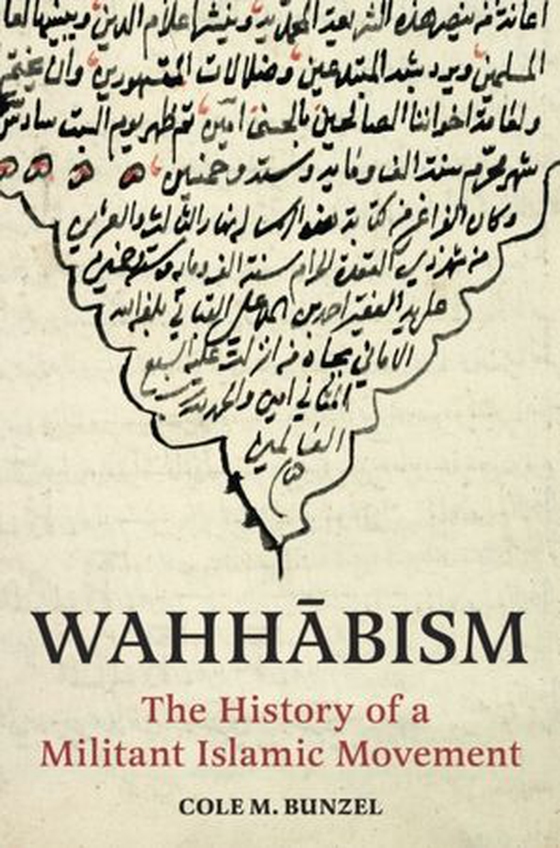
In the mid-eighteenth century, a controversial Islamic movement arose in the central Arabian region of Najd that forever changed the political landscape of the Arabian Peninsula and the history of Islamic thought. Its founder, Muḥammad ibn ʿAbd al-Wahhāb, taught that most professed Muslims were polytheists due to their veneration of Islamic saints at tombs and gravesites. He preached that true Muslims, those who worship God alone, must show hatred and enmity toward these polytheists and fight them in jihād. Cole Bunzel tells the story of Wahhābism from its emergence in the 1740s to its taming and coopting by the modern Saudi state in the 1920s, and shows how its legacy endures in the ideologies of al-Qāʿida and the Islamic State.
Drawing on a wealth of primary source materials, Bunzel traces the origins of Wahhābī doctrine to the religious thought of medieval theologian Ibn Taymiyya and examines its development through several generations of Wahhābī scholars. While widely seen as heretical and schismatic, the movement nonetheless flourished in central Arabia, spreading across the peninsula under the political authority of the Āl Suʿūd dynasty until the invading Egyptian army crushed it in 1818. The militant Wahhābī ethos, however, persisted well into the early twentieth century, when the Saudi kingdom used Wahhābism to bolster its legitimacy.
This incisive history is the definitive account of a militant Islamic movement founded on enmity toward non-Wahhābī Muslims and that is still with us today in the violent doctrines of Sunni jihādīs.
Ebok
310,-





Undertittel
The History of a Militant Islamic Movement
Forlag
Princeton University Press
Utgitt
18.11.2026
Sjanger
Historie, Dokumentar og fakta, Politikk og samfunn
Språk
English
Format
epub
DRM-beskyttelse
LCP
ISBN
9780691241609
An essential history of Wahhābism from its founding to the Islamic State
In the mid-eighteenth century, a controversial Islamic movement arose in the central Arabian region of Najd that forever changed the political landscape of the Arabian Peninsula and the history of Islamic thought. Its founder, Muḥammad ibn ʿAbd al-Wahhāb, taught that most professed Muslims were polytheists due to their veneration of Islamic saints at tombs and gravesites. He preached that true Muslims, those who worship God alone, must show hatred and enmity toward these polytheists and fight them in jihād. Cole Bunzel tells the story of Wahhābism from its emergence in the 1740s to its taming and coopting by the modern Saudi state in the 1920s, and shows how its legacy endures in the ideologies of al-Qāʿida and the Islamic State.
Drawing on a wealth of primary source materials, Bunzel traces the origins of Wahhābī doctrine to the religious thought of medieval theologian Ibn Taymiyya and examines its development through several generations of Wahhābī scholars. While widely seen as heretical and schismatic, the movement nonetheless flourished in central Arabia, spreading across the peninsula under the political authority of the Āl Suʿūd dynasty until the invading Egyptian army crushed it in 1818. The militant Wahhābī ethos, however, persisted well into the early twentieth century, when the Saudi kingdom used Wahhābism to bolster its legitimacy.
This incisive history is the definitive account of a militant Islamic movement founded on enmity toward non-Wahhābī Muslims and that is still with us today in the violent doctrines of Sunni jihādīs.
Ingen vurderinger ennå
