

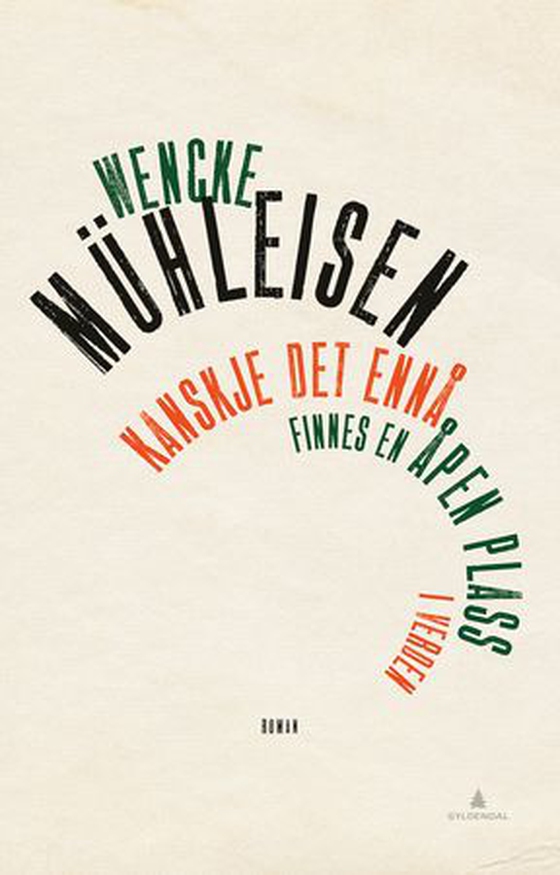
Kanskje det ennå finnes en åpen plass i verden ebok
Wencke Mühleisens slovenske far slutter seg i 1941 frivillig til det tyske Wehrmacht. Wencke Mühleisen selv slutter seg i 1976 til det ideologiske AAO-kollektivet, basert på fri sex og felles eiendom. Hun forlater etter hvert kollektivet og etablerer seg som forsker. Så finner hun et brev fra faren, skrevet på 80-tallet, mens hun fremdeles var del av AAO. Brevet viser at hans holdninger fortsatt …
Flere bøker av samme forfatter
Alt jeg frykter har allerede skjedd
Wencke Mühleisen Ebok
Jeg skulle ha løftet deg varsomt over
Wencke Mühleisen Ebok
All gjeldende fornuft
Wencke Mühleisen Ebok
Hetetokt
Wencke Mühleisen Ebok
Redd deg selv, lille hjerte
Wencke Mühleisen Ebok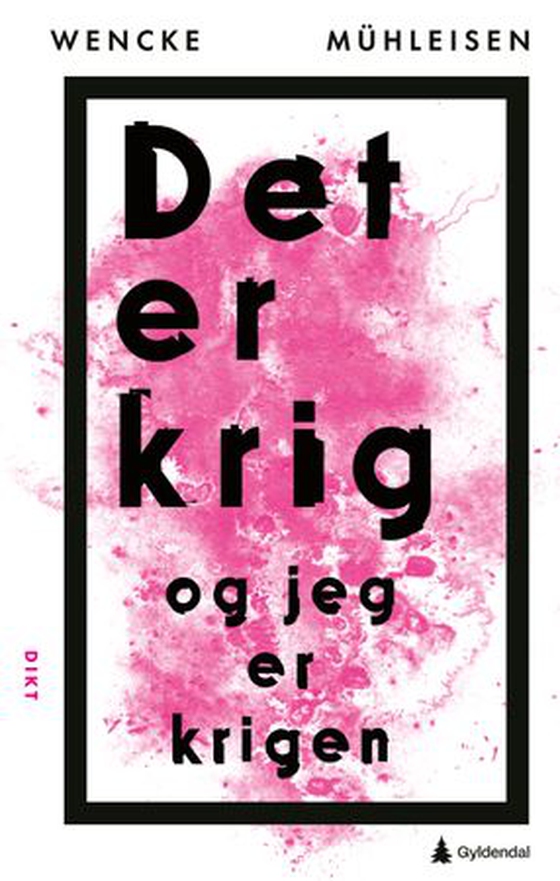
Det er krig og jeg er krigen
Wencke Mühleisen EbokAndre har også kjøpt
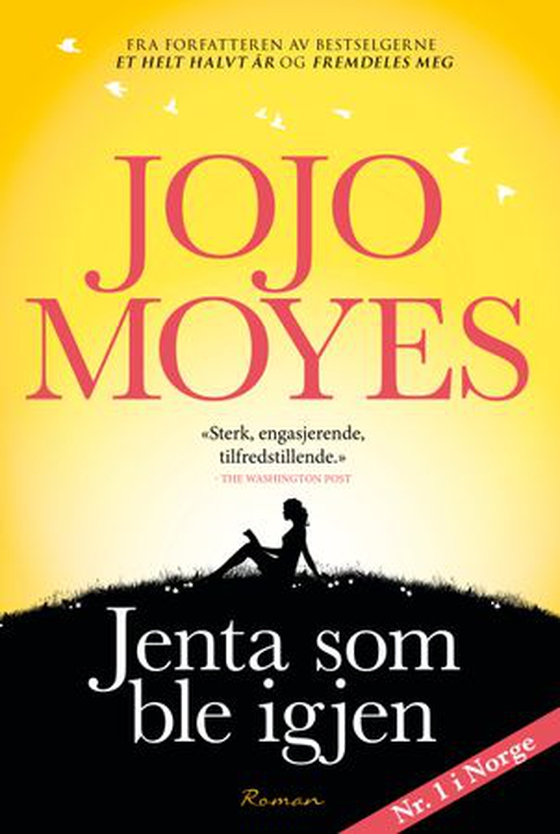
Jenta som ble igjen
Jojo Moyes Ebok
Tante Ulrikkes vei
Zeshan Shakar Ebok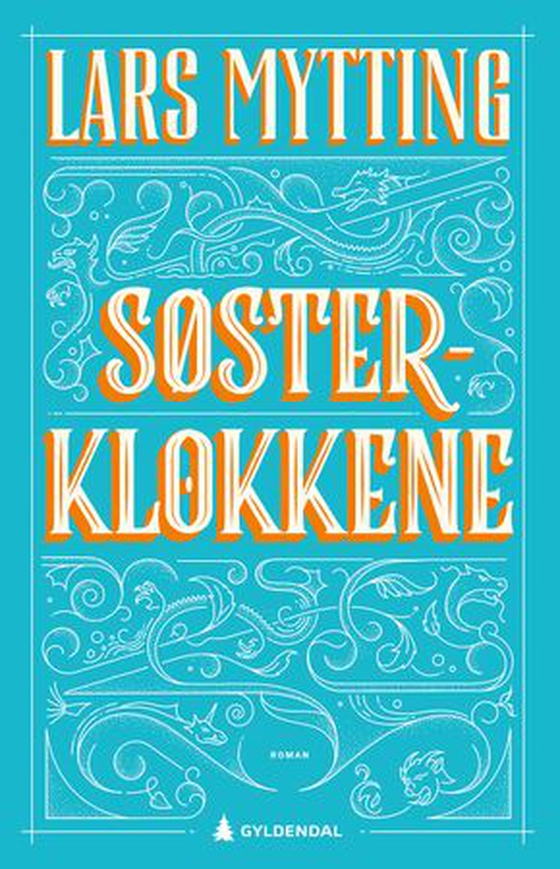
Søsterklokkene
Lars Mytting Ebok
En dag i desember
Josie Silver Ebok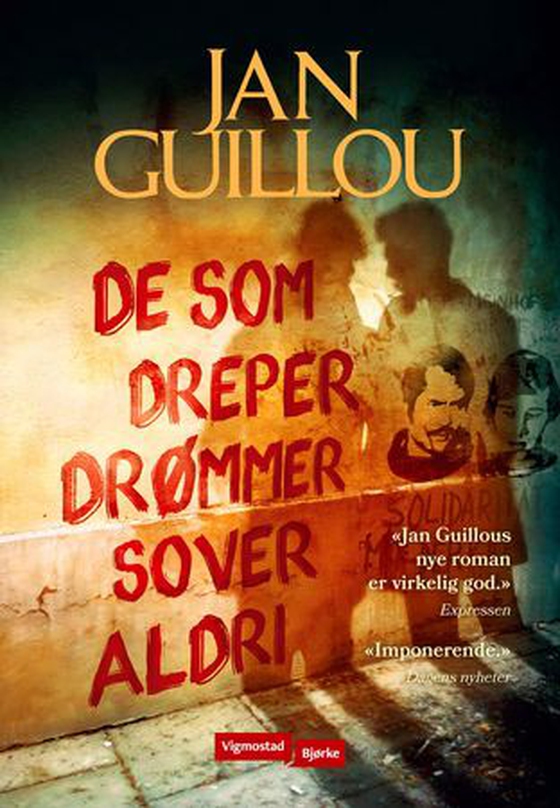
De som dreper drømmer, sover aldri
Jan Guillou Ebok
Leksikon om lys og mørke
Simon Stranger Ebok
Et lite stjerneteppe
Catherine Isaac Ebok
Perlesøsteren
Lucinda Riley EbokWencke Mühleisens slovenske far slutter seg i 1941 frivillig til det tyske Wehrmacht. Wencke Mühleisen selv slutter seg i 1976 til det ideologiske AAO-kollektivet, basert på fri sex og felles eiendom. Hun forlater etter hvert kollektivet og etablerer seg som forsker. Så finner hun et brev fra faren, skrevet på 80-tallet, mens hun fremdeles var del av AAO. Brevet viser at hans holdninger fortsatt domineres av et rasistisk tankegods. Verst av alt er det at han regner med at hun skal forstå ham, siden hun selv har brutt så radikalt med samfunnets normer.
Dette lenge glemte og fortrengte brevet utløser en eksistensiell krise for Mühleisen. Hva var det hun, en feminist på venstresiden, hadde gjentatt, som gjorde at han, en rasist på høyresiden – i én enkelt setning kunne sette dem i samme bås? Hun må vite mer, og begynner å grave i farens fortid. Samtidig må hun konfrontere seg selv med de typiske 70-talls-overskridelsene som fant sted i kollektivet, og sin egen rolle og ansvar i dette.
Anmelderne mener:
"Kanskje det ennå finnes en åpen plass i verden er viktig lesning."
Susanne Christensen, Klassekampen
"Kraftfull og usentimental roman om grenseoverskridende ideologier."
Nordis Seel Tennes, Aftenposten
"En klartenkt og åpen bok."
Susanne Hedemann Hiorth, Dagens Næringsliv
"Dette er ei uvanleg klok og inntrengande historie som held lesaren fast frå første til siste side."
Marta Norheim, NRK
"Intelligent, skarpt og innsiktsfullt om blind idealisme og farlige fortielser."
Cathrine Krøger, Dagbladet
"En roman som er fylt med et slikt våkent blikk for virkningene mellom ideologi og individ kan invitere leseren til et moralsk løft."
Carina Elisabeth Beddari, Morgenbladet
"Det är en framställning skriven inifrån, noga övervägd och analytiskt skarp i reflektion och självreflektion. Jag känner inte dess like i nordiska sammanhang. Det är självklart en modig handling att så blotta sina erfarenheter och att korsa sina spår på det sätt som författaren gör. Men hon förmår det genom sin inkännande blick, sociologiskt och psykologiskt tränad och som det förefaller introspektivt obeslöjad [...] Det borde läsas av var och en som intresserar sig för radikala vägval och för alla som tror sig vara fria från sitt förflutna. Och kanske finns det ännu ”en åpen plass i verden”."
Tomas Forser, www.dixikon.se
"Viktig, undersøkende og selvbiografisk bok."
Guri Hjulstad, Trønderavisa
