

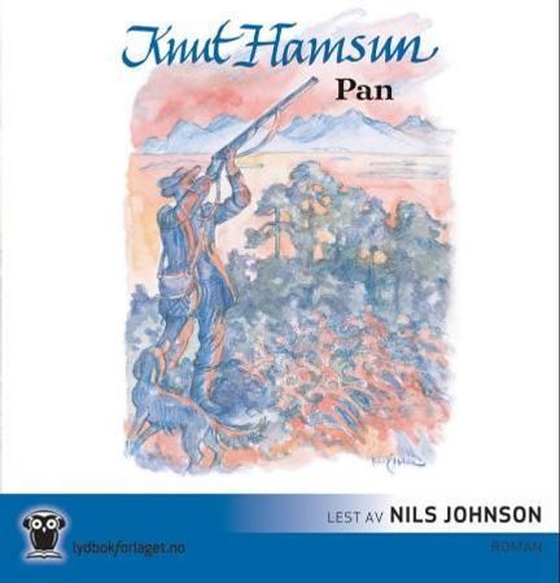
Knut Hamsun
(forfatter)
,
Nils Johnson
(innleser)
Pan lydbok
238,-
Premium
Pan utkom i 1894 og ble av Hamsun selv omtalt som «en liten bok med få mennesker og megen sjel» og «en stille og rød kjærlighetshistorie». Sentralt står den tilreisende jegeren løytnant Thomas Glahn og Edvarda, datter av den lokale handelsmannen Mack. I tillegg til å være en nordnorsk miljøskildring og en kjærlighetshistorie, er romanen en lyrisk studie av natur og menneskesinn.
Lydbok
238,-
Ebok
229,-
Kan spilles i våre gratis apper for iPhone/iPad og Android
Kan spilles i EBOK.NO-appene
Flere bøker av samme forfatter
Markens grøde
Knut Hamsun Lydbok
Premium
Markens grøde
Knut Hamsun Lydbok
Premium
Victoria
Knut Hamsun Lydbok
Premium
Sult
Knut Hamsun Lydbok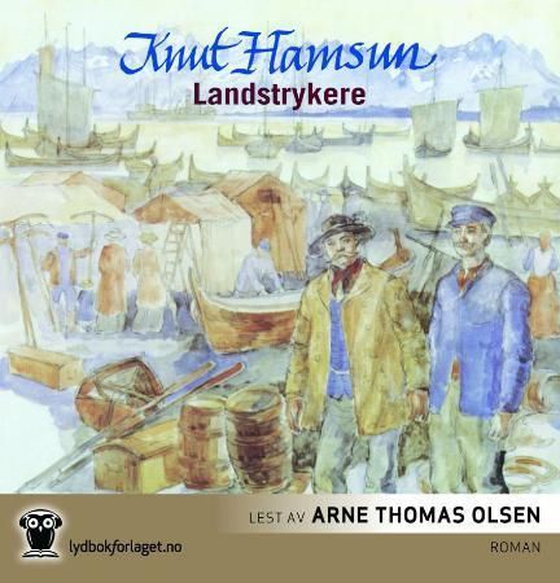
Premium
Landstrykere
Knut Hamsun Lydbok
Victoria
Knut Hamsun Lydbok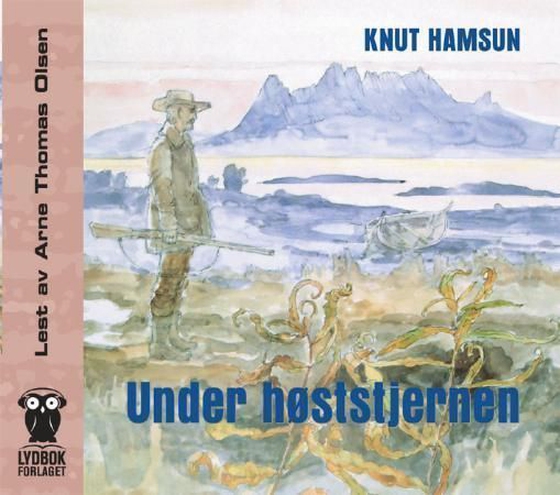
Premium
Under høststjernen
Knut Hamsun Lydbok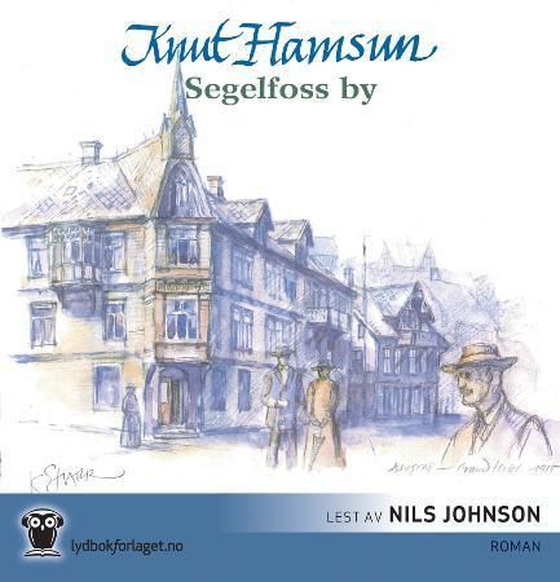
Premium
Segelfoss by
Knut Hamsun Lydbok


Forlag
Lydbokforlaget
Utgitt
15.11.2007
Lengde
5:02
Sjanger
Skjønnlitteratur, Romaner
Språk
Bokmål
Format
mp3
DRM-beskyttelse
Vannmerket
ISBN
9788242126900
Pan utkom i 1894 og ble av Hamsun selv omtalt som «en liten bok med få mennesker og megen sjel» og «en stille og rød kjærlighetshistorie». Sentralt står den tilreisende jegeren løytnant Thomas Glahn og Edvarda, datter av den lokale handelsmannen Mack. I tillegg til å være en nordnorsk miljøskildring og en kjærlighetshistorie, er romanen en lyrisk studie av natur og menneskesinn.
Ingen vurderinger ennå
