

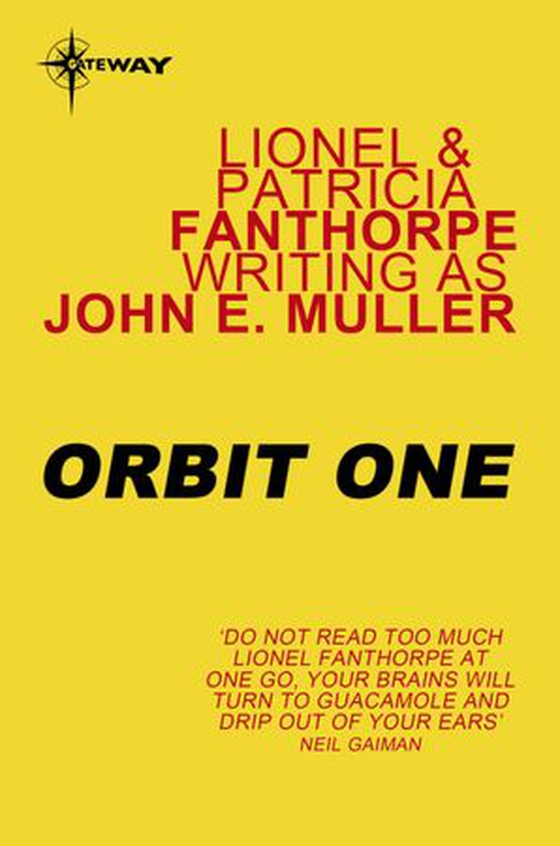
Orbit One ebok
20,70,-
Space fiction is no longer fiction in the same way that it used to be. There was an element of distance and strangeness about it a few years back. Now, fact has caught up and threatens to overtake. Science fiction today has become science prediction.An atom is a miniature solar system in some respects. The clustering molecules resemble galaxies, colloids are, perhaps, tiny models of the whole cre…
Space fiction is no longer fiction in the same way that it used to be. There was an element of distance and strangeness about it a few years back. Now, fact has caught up and threatens to overtake. Science fiction today has become science prediction.An atom is a miniature solar system in some respects. The clustering molecules resemble galaxies, colloids are, perhaps, tiny models of the whole creation. Man stands midway between the unbelievably small and the unbelievably huge. This is one of the allies of science fiction. We look down into the mysteries of the infinitesimal; we look up into the majesty of the macrocosm.In all this vastness of stars and planets there must be other life. One day we shall make contact with that life. What will the aliens be like? How will human culture compete with non-human culture? Which will survive?
Flere bøker av samme forfatter
Nightmare
Leo Brett Ebok
Time Echo
Lionel Roberts Ebok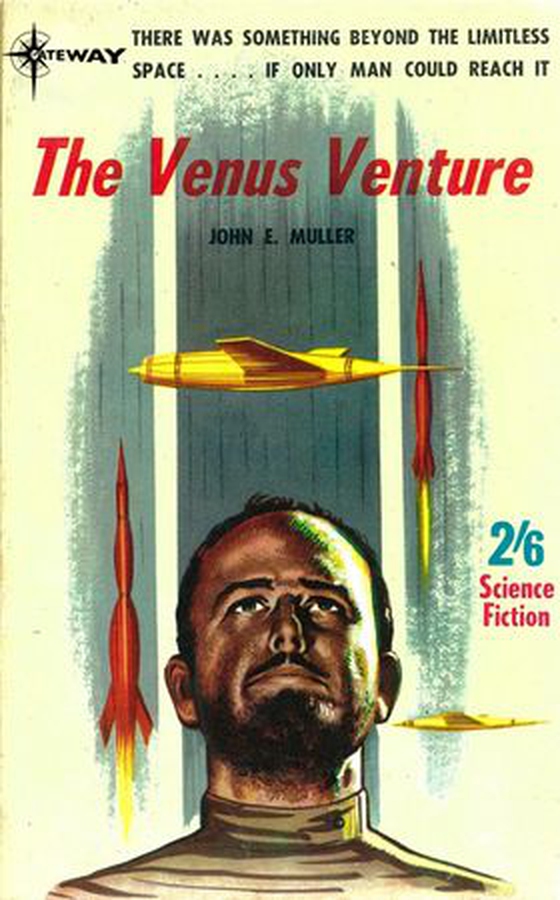
The Venus Venture
John E. Muller Ebok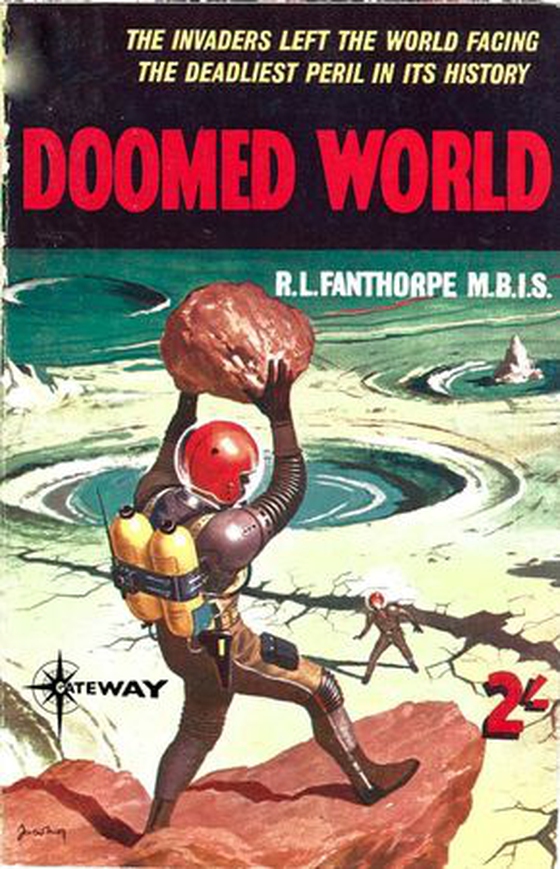
Doomed World
R L Fanthorpe Ebok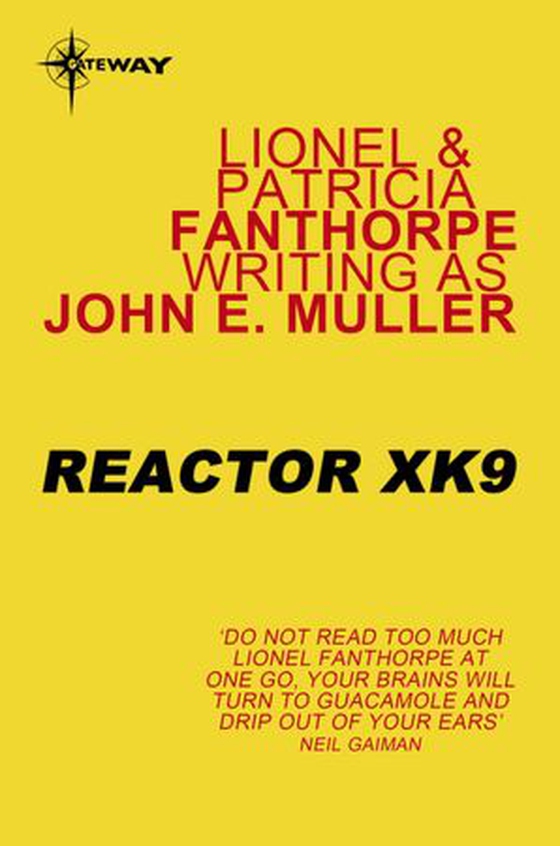
Reactor XK9
John E. Muller Ebok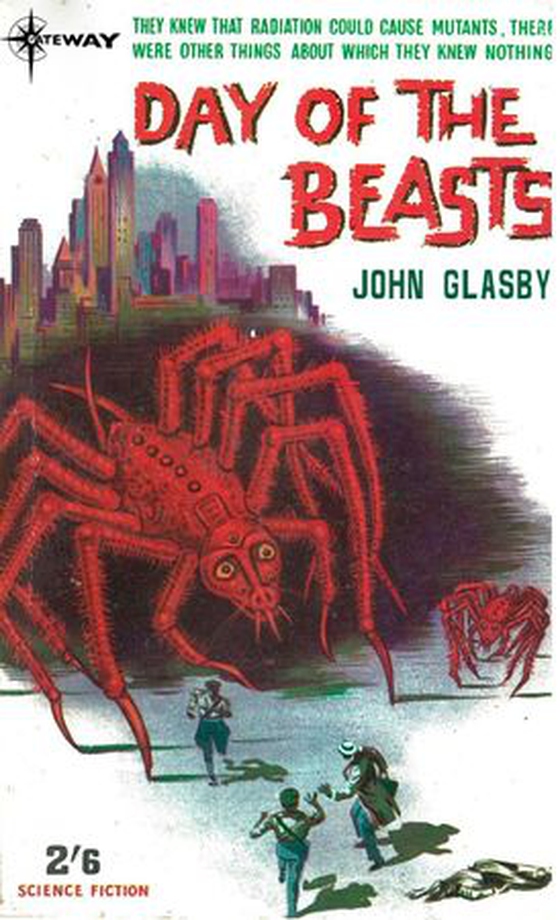
Day of the Beasts
John Glasby Ebok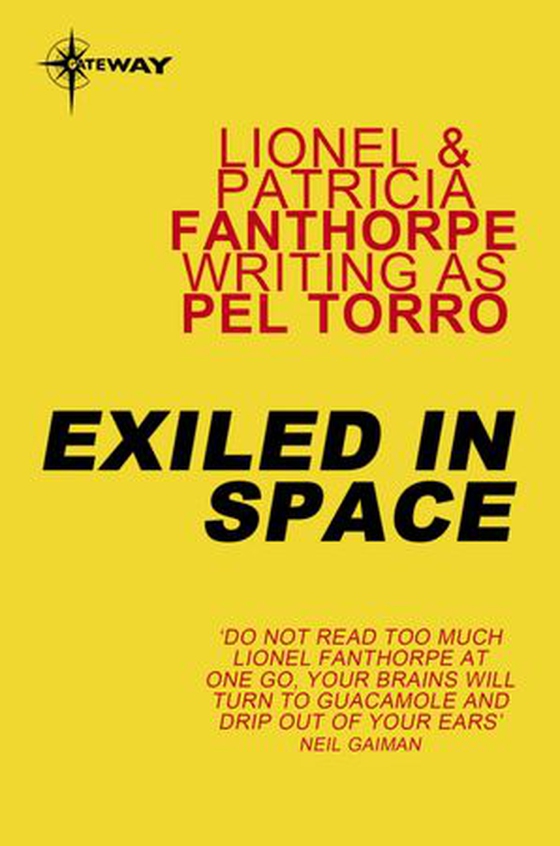
Exiled in Space
Pel Torro Ebok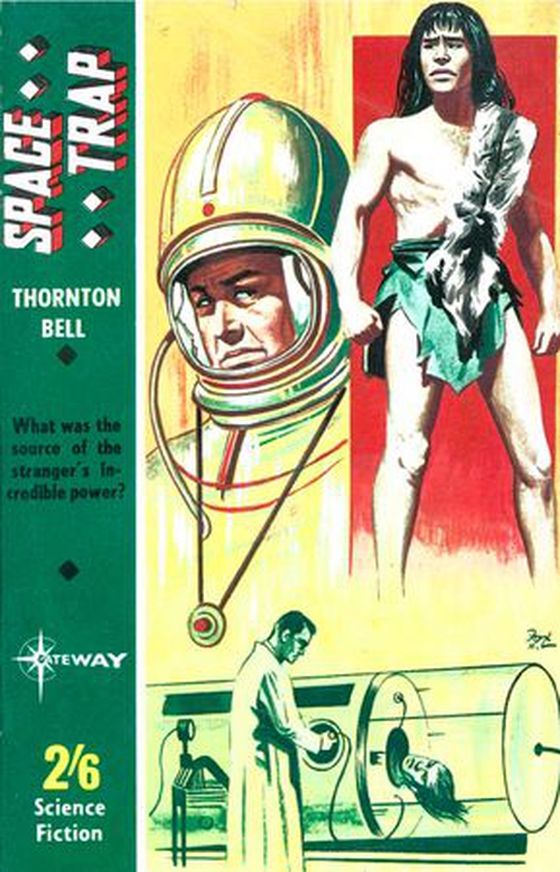
Space Trap
Thornton Bell Ebok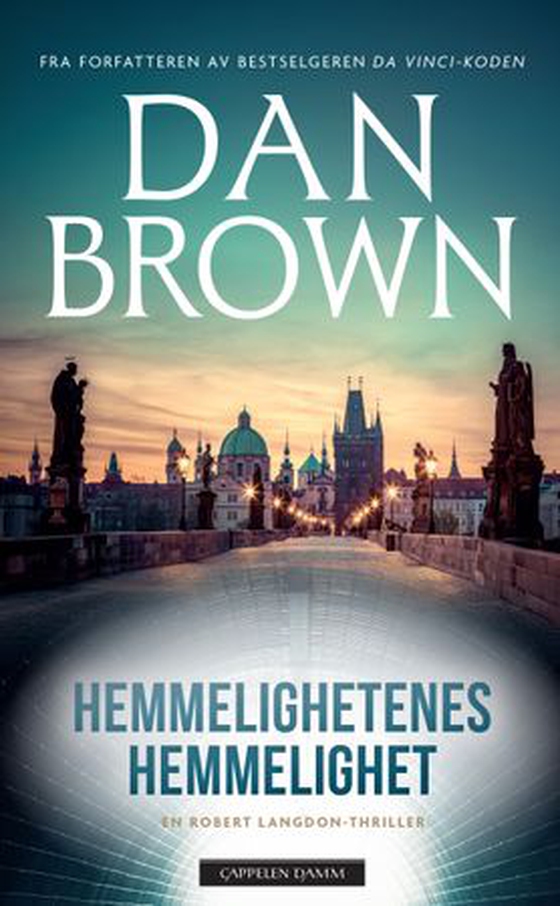



Forlag
Gateway
Utgitt
15.12.2016
Sjanger
Skjønnlitteratur, Fantasy og science fiction
Språk
English
Format
epub
DRM-beskyttelse
LCP
ISBN
9781473204447
Space fiction is no longer fiction in the same way that it used to be. There was an element of distance and strangeness about it a few years back. Now, fact has caught up and threatens to overtake. Science fiction today has become science prediction.
An atom is a miniature solar system in some respects. The clustering molecules resemble galaxies, colloids are, perhaps, tiny models of the whole creation. Man stands midway between the unbelievably small and the unbelievably huge. This is one of the allies of science fiction. We look down into the mysteries of the infinitesimal; we look up into the majesty of the macrocosm.
In all this vastness of stars and planets there must be other life. One day we shall make contact with that life. What will the aliens be like? How will human culture compete with non-human culture? Which will survive?
An atom is a miniature solar system in some respects. The clustering molecules resemble galaxies, colloids are, perhaps, tiny models of the whole creation. Man stands midway between the unbelievably small and the unbelievably huge. This is one of the allies of science fiction. We look down into the mysteries of the infinitesimal; we look up into the majesty of the macrocosm.
In all this vastness of stars and planets there must be other life. One day we shall make contact with that life. What will the aliens be like? How will human culture compete with non-human culture? Which will survive?
Ingen anmeldelser ennå
