
Legg til i ønskeliste
Les gratis utdrag
The Ape And The Sushi Master ebok
119,-
From the New York Times bestselling author of Mama's Last Hug and Are We Smart Enough to Know How Smart Animals Are?, a provocative argument that apes have created their own distinctive culturesIn The Ape and the Sushi Master, eminent primatologist Frans de Waal corrects our arrogant assumption that humans are the only creatures to have made the leap from the natural to the cultural domain. The book's title derives from an analogy de Waal draws between the way behavior is transmitted in ape soc…
Andre har også kjøpt

Vinner av Bokhandlerprisen 2025
Vinner av Brageprisen 2025
Ufred
Åsne Seierstad ebok
Skinn
Sara Strömberg ebok
Vi anbefaler
Boka bak filmen
Stargate
Ingvild H. Rishøi ebok
Den siste saken
Jørn Lier Horst ebok
Vinner av Bokhandlerprisen 2024
Første gang på tilbud!
Sjøfareren
Erika Fatland ebok
Undertittel
Cultural Reflections Of A Primatologist
Forlag
Basic Books
Utgitt
28 april 2017
Sjanger
Språk
English
Format
epub
DRM-beskyttelse
LCP
ISBN
9780786724536
From the New York Times bestselling author of Mama's Last Hug and Are We Smart Enough to Know How Smart Animals Are?, a provocative argument that apes have created their own distinctive cultures
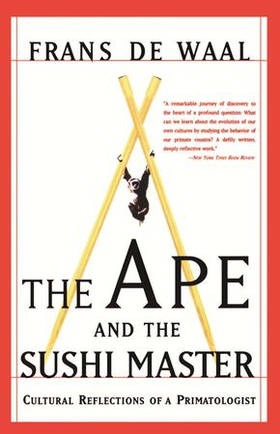
In The Ape and the Sushi Master, eminent primatologist Frans de Waal corrects our arrogant assumption that humans are the only creatures to have made the leap from the natural to the cultural domain. The book's title derives from an analogy de Waal draws between the way behavior is transmitted in ape society and the way sushi-making skills are passed down from sushi master to apprentice. Like the apprentice, young apes watch their group mates at close range, absorbing the methods and lessons of each of their elders' actions. Responses long thought to be instinctive are actually learned behavior, de Waal argues, and constitute ape culture. A delightful mix of intriguing anecdote, rigorous clinical study, adventurous field work, and fascinating speculation, The Ape and the Sushi Master shows that apes are not human caricatures but members of our extended family with their own resourcefulness and dignity.
In The Ape and the Sushi Master, eminent primatologist Frans de Waal corrects our arrogant assumption that humans are the only creatures to have made the leap from the natural to the cultural domain. The book's title derives from an analogy de Waal draws between the way behavior is transmitted in ape society and the way sushi-making skills are passed down from sushi master to apprentice. Like the apprentice, young apes watch their group mates at close range, absorbing the methods and lessons of each of their elders' actions. Responses long thought to be instinctive are actually learned behavior, de Waal argues, and constitute ape culture. A delightful mix of intriguing anecdote, rigorous clinical study, adventurous field work, and fascinating speculation, The Ape and the Sushi Master shows that apes are not human caricatures but members of our extended family with their own resourcefulness and dignity.
